

Top Property Management Services in San Jose, CA: A 2026 Guide for Investors
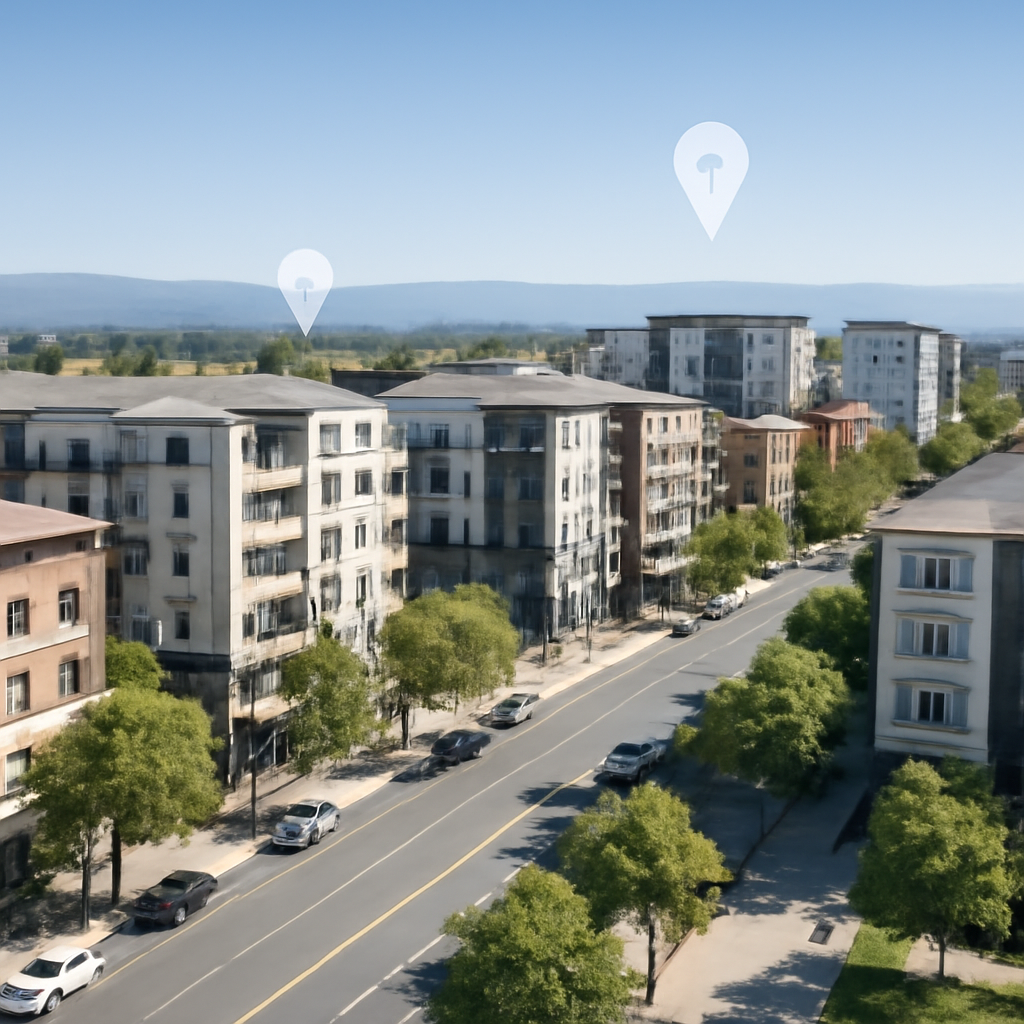
Top Property Management Services in San Jose, CA: A 2026 Guide for Investors
San Jose’s scale and growth make professional management more than a convenience. According to the U.S. Census Bureau, the city’s population reached about 1,013,240 in 2020, supporting a vast rental base across Downtown San Jose, Willow Glen, and Evergreen. In 2026, investors focused on technology employment clusters around North San Jose and Berryessa increasingly depend on structured San Jose property management services to control operating costs, reduce vacancy exposure, and protect capital in buildings ranging from duplexes near Lincoln Avenue to mid-rise assets around Diridon Station.
Why are San Jose property management services essential for 2026 investment performance?
Technology employment anchors San Jose, linking rental demand to campuses near North First Street and the corporate corridor around North First and Trimble Road. According to the U.S. Bureau of Labor Statistics, the San Jose–Sunnyvale–Santa Clara metro posted unemployment in the range of 3% to 4% through late 2025. Professional managers track hiring cycles from major employers and adjust pricing in submarkets such as Santana Row, The Alameda, and Japantown, helping owners respond faster than informal, part‑time management approaches.
Rents across San Jose sit at premium levels for the Bay Area. According to RentCafe, average apartment rents hover roughly between $2,500 and $3,100 per month as of early 2026. Property managers who specialize in micro‑locations such as San Pedro Square Market, West San Carlos Street, and The Alameda corridor often outperform citywide averages by maintaining tighter vacancy and reducing costly turnover gaps between leases.
Regulatory complexity further elevates the value of institutional‑grade San Jose property management services. The San José Housing Department administers rent stabilization and affordable housing policies that affect buildings in Alum Rock, Burbank, and areas near San José City Hall. Experienced managers interpret these rules, track registration deadlines, and structure leases that comply with state laws and local ordinances, reducing the risk of legal disputes that can erode returns for small and midsize investors.
What core services should a San Jose property management company provide?
Leasing and marketing form the visible front end of San Jose property management services. Strong operators maintain detailed digital listings, professional photography, and online application workflows for units near Santana Row, Westfield Valley Fair, and Downtown’s South First Street. According to Redfin, the broader San Jose housing market often records inventory levels equivalent to roughly 1 to 2 months of supply, underscoring the importance of swift, data‑driven marketing that limits days vacant between tenants.
Beyond leasing, full‑service management includes rent collection, accounting, and transparent reporting. Many institutional owners require monthly portfolio summaries that reconcile income, maintenance, and capital expenditures for properties spread across Evergreen, Silver Creek, and Rose Garden neighborhoods. According to surveys summarized by the Institute of Real Estate Management, professional management fees for residential assets often range from 8% to 12% of collected rents, with additional charges for lease‑up, renewals, and project‑based construction oversight.
On an early summer evening along Lincoln Avenue in Willow Glen, prospective tenants stepping into a well‑managed fourplex often notice the subtle scent of fresh paint and the quiet hum of modern HVAC equipment behind insulated walls. Light from refurbished fixtures reflects off clean tile in the entryway, while soft background music from a nearby café on Willow Street blends with distant traffic along Interstate 280. That curated sensory impression results from systematic turnover work orders and vendor coordination by attentive property managers.
How do fees and performance benchmarks compare across San Jose property managers?
Fee structures in San Jose commonly follow percentage‑of‑rent models, flat fees, or hybrids. Based on current industry surveys cited by the Institute of Real Estate Management, ongoing management charges for residential properties typically land between 8% and 10% of collected rent, with lease‑up fees equal to half or a full month’s rent near Downtown, Willow Glen, and Alum Rock. Some commercial‑oriented firms along North First Street and in North San Jose apply tiered fees once portfolios exceed 20 units.
Performance, however, depends on more than headline pricing. According to RentCafe, San Jose properties experience average occupancy that often tracks in the high 90% range when priced correctly. Managers operating in competitive zones such as Santana Row and the North San Jose corporate corridor benchmark their own portfolios against this range, aiming to keep vacancy under roughly 5% while still pushing rent growth consistent with market absorption trends.
Turnover speed and maintenance response times also differentiate top‑tier firms. Operators near Diridon Station, The Alameda, and Cahill Park frequently track days‑to‑lease metrics, targeting under 14 days from listing to signed lease in strong seasons. Accounting teams then summarize net operating income margins for owners, comparing buildings near Plaza de César Chávez or San Pedro Street to similar assets citywide, highlighting where operational adjustments can recapture several percentage points of annual return.
Which San Jose neighborhoods most influence management strategy in 2026?
Central neighborhoods around Downtown San Jose require distinct strategies from quieter areas like Rose Garden and Evergreen. Properties around San Jose State University along East San Fernando Street face high turnover as academic calendars drive demand peaks twice per year. According to U.S. Census Bureau data, a sizable share of local households rent rather than own, reinforcing the importance of pre‑leasing campaigns near campus corridors and transit‑oriented hubs like Diridon Station.
At dusk in Santana Row, light from restaurant patios reflects off polished stone walkways, and the aroma of grilled food drifts toward residential balconies above the retail level. The subdued bass from music inside lounges along Olin Avenue mingles with the soft rush of fountains near the central plaza. Property managers handling condominiums here design communication plans that respect this energetic atmosphere while ensuring residents experience orderly hallways, prompt elevator maintenance, and quiet, cooled interiors even during peak weekend traffic.
East San Jose submarkets, including Alum Rock and neighborhoods around Story Road, balance different priorities. Here, investors often own smaller buildings where cash flow sensitivity to even a single month of vacancy is high. Professional managers structure staggered lease expirations and emphasize preventative maintenance on older systems. In contrast, recently built properties near Norman Y. Mineta San José International Airport or along North First Street rely on technology‑enabled access control and remote monitoring, changing the staffing model and vendor mix required for efficient operations.
How can investors select and oversee San Jose property management services effectively?
Selection begins with licensing and compliance. The California Department of Real Estate regulates brokerage and property management activities statewide, including offices based in Downtown San Jose, Evergreen, and Willow Glen. Investors often confirm brokerage licensing, review complaint histories, and verify trust‑account handling procedures before signing management agreements. Interviews then focus on portfolio composition across areas like The Alameda, Japantown, and West San Carlos Street to confirm familiarity with the specific property type and tenant profile involved.
Ongoing oversight hinges on clear metrics and communication cadences. Many investors request monthly dashboards summarizing occupancy, delinquency, maintenance tickets, and capital projects for buildings near Kelley Park, Happy Hollow Park & Zoo, and Alum Rock Park. According to best‑practice guidance from the Institute of Real Estate Management, consistent reporting aligned with owner objectives can lift net operating income margins by 2% to 4% over time, primarily through better budgeting and early identification of chronic maintenance issues.
Site visits also remain critical despite robust digital reporting. Owners frequently schedule quarterly walkthroughs for assets near Plaza de César Chávez, San Pedro Square Market, and Willow Street Park, comparing stated standards with observed conditions. Small discrepancies in cleanliness, lighting, or landscaping along Lincoln Avenue or The Alameda can foreshadow deferred maintenance or vendor coordination gaps, prompting constructive conversations that keep management performance aligned with long‑term portfolio strategies and financing covenants.
The 1,013,240 population figure cited at the start of this guide reflects the depth and diversity of San Jose’s rental base, as well as the operational complexity that follows. That same number underscores how even modest shifts in employment or regulation can reverberate across hundreds of streets from Evergreen to Willow Glen. The Santa Clara County Association of REALTORS market reports provide ongoing visibility into inventory, pricing, and leasing trends. Investors who register listing alerts, monitor quarterly neighborhood data, and commit to touring management candidates before the late‑spring leasing surge typically secure stronger contracts, while those delaying such steps into late summer often face thinner choices, higher fees, and slower stabilization timelines.

Realtor® License ID: 1522444