

Military Relocation to San Francisco: What You Need to Know in 2026
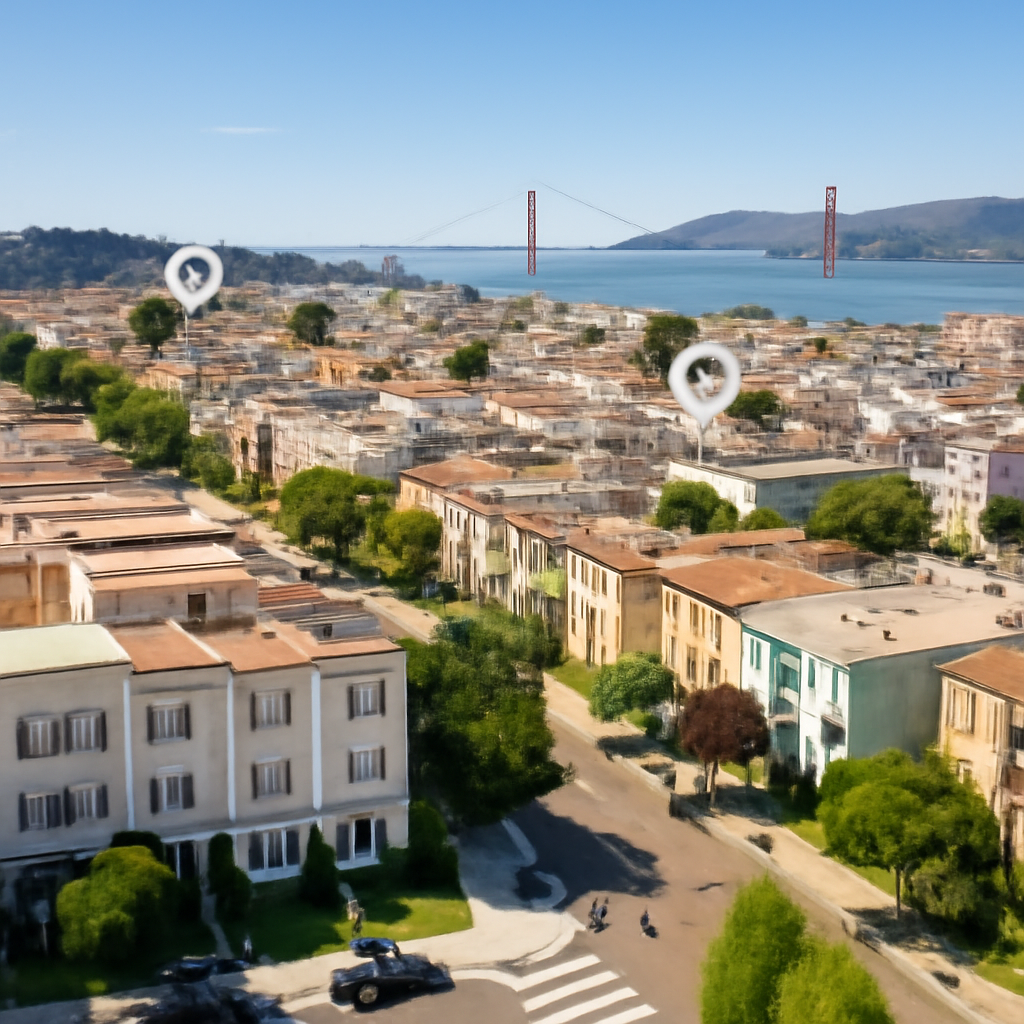
Military Relocation to San Francisco: What You Need to Know in 2026
Military relocation to San Francisco in 2026 involves navigating one of the country’s highest-cost housing markets while balancing commute, school, and quality-of-life needs. According to U.S. Census Bureau QuickFacts, San Francisco County’s population sits around 815,000 residents, creating sustained housing demand near the Presidio of San Francisco and Coast Guard facilities. Typical city rents hover in the range of $2,300 to $3,500 per month as of late 2025, underscoring why advance planning matters for incoming service members and their households.
How does military relocation to San Francisco work in 2026?
Military relocation to San Francisco in 2026 usually centers on assignments connected to the Presidio of San Francisco, Coast Guard Station Golden Gate, or regional commands using offices near Market Street and the Embarcadero. According to the Defense Travel Management Office, Basic Allowance for Housing for the San Francisco area remains among the nation’s highest, with officer and enlisted BAH bands typically spanning from roughly $3,000 to over $5,000 monthly depending on rank and dependency status.
Most relocating personnel begin with virtual briefings from installation transportation and housing offices, then coordinate arrival dates, temporary lodging, and privately owned vehicle shipment. On-base lodging near the Presidio’s Letterman Drive often fills weeks in advance. As noted by Realtor.com, San Francisco’s for-sale inventory frequently sits below 2 months of supply, creating a compressed timeline for house-hunting leave and offer decisions once on the ground.
Some families secure short-term rentals around Pacific Heights, the Marina District, or Inner Richmond before deciding between renting and buying. According to Numbeo, overall consumer prices in San Francisco run roughly 15% to 25% higher than many large U.S. metros in 2025, so an initial rent-first strategy can protect against overcommitting. Servicemembers often pair BAH with cost-of-living adjustments to stabilize budgets in early months.
Housing counselors frequently recommend establishing timelines that integrate Permanent Change of Station (PCS) orders, school enrollment cutoffs, and lease cycles. Lease start dates in areas like Nob Hill, North Beach, and SoMa commonly align with the first or fifteenth of the month. Many newer buildings along Mission Street and Folsom Street now require income at least 2.5 to 3 times monthly rent, though military BAH and LES documentation typically satisfies those standards when presented clearly.
Which San Francisco neighborhoods fit typical military housing budgets?
Neighborhood selection for military relocation to San Francisco typically balances BAH limits with commute and lifestyle preferences. According to Realtor.com, as of early 2026 many entry-level condos in districts like the Outer Richmond and Outer Sunset list between roughly $800,000 and $1,100,000. Rents for one-bedroom apartments near Geary Boulevard or Judah Street often fall in the range of $2,400 to $3,000, allowing some dual-income military households to stay within BAH plus partial base pay.
Closer to the Presidio, the Marina District and Cow Hollow offer quick access via Marina Boulevard and Lombard Street but command higher prices. Two-bedroom units there often advertise between about $3,500 and $4,800 monthly, based on active listings tracked by Zillow. Families seeking more space frequently look south toward the Parkside neighborhood, Merced Heights, or even Daly City just beyond the county line, where townhomes and single-family homes can stretch BAH dollars further while remaining within a commute of under 45 minutes.
On a clear afternoon along Clement Street in the Inner Richmond, the aroma of roasted coffee drifts from small cafes near 4th Avenue while steam rises from dim sum kitchens like Good Luck Dim Sum. The chatter of diners on sidewalk seating mixes with the soft hum of buses along California Street, and the cool ocean breeze rolling in from Land’s End gives the area a crisp, briny edge. Light filtering through tall trees around Mountain Lake Park adds a calm, park-side feel.
Families prioritizing quick access to Golden Gate Park often compare Inner Sunset, Cole Valley, and Inner Richmond. According to Walk Score, San Francisco holds an overall Walk Score of 93, and these neighborhoods frequently post scores in the high 80s or low 90s. That level of walkability reduces transportation expenses, which can offset higher rents. Smaller buildings along Irving Street and Carl Street regularly feature older, rent-controlled units that moderate long-term cost increases.
What commute and transportation factors matter for stationed personnel?
Commute patterns for military relocation to San Francisco depend heavily on proximity to the Presidio, downtown office buildings, or regional commands across the Bay such as Coast Guard Island in Alameda. According to San Francisco Municipal Transportation Agency data, Muni buses, light rail, and cable cars collectively handle over 700,000 weekday boardings in many recent years, giving service members car-optional options. Routes along Van Ness Avenue, Market Street, and Third Street connect major residential districts with employment clusters.
During an early morning ride on the N Judah near Ninth Avenue, the train’s metallic screech echoes through the tunnel before it surfaces into pale orange sunrise over Golden Gate Park. Passengers clutch warm coffee cups as the scent of espresso slips from a kiosk on Irving Street, while salt-tinged air from Ocean Beach lingers on jackets. As the train curves toward Embarcadero Station, the sight of the Bay Bridge and Ferry Building clock tower signals the workday’s precise rhythm.
Driving remains common for those stationed at Coast Guard Station Golden Gate near the north end of the Golden Gate Bridge. From neighborhoods such as the Richmond District or Pacific Heights, travel times often fall between 15 and 30 minutes outside peak congestion, according to typical traffic estimates from Google Maps. Commuters coming from Daly City or the Ingleside neighborhood tend to budget 35 to 50 minutes, especially when crossing downtown corridors like 19th Avenue or Junipero Serra Boulevard.
Transit-accessible neighborhoods can significantly reduce costs. According to Numbeo, a standard monthly public transit pass in San Francisco runs around $86 to $90 as of late 2025. That figure often undercuts monthly parking in garage facilities near the Financial District, where posted rates commonly exceed $250. Biking infrastructure along the Embarcadero, Market Street, and Valencia Street also gives active-duty personnel low-cost, predictable commute alternatives.
How can schools and childcare options shape a PCS to San Francisco?
School considerations heavily influence neighborhood decisions for military relocation to San Francisco. San Francisco Unified School District (SFUSD) operates campuses throughout the city, with several high-performing options close to common military housing corridors. According to GreatSchools, Lowell High School holds ratings around 9 or 10 out of 10 in multiple categories, while Alice Fong Yu Alternative School frequently posts scores near 9. Families often target districts that feed into these or similarly rated schools.
Elementary options such as Clarendon Elementary in Twin Peaks, Rooftop School near Portola Drive, and Lafayette Elementary in the Outer Richmond provide additional high-rated choices. GreatSchools reports that several of these campuses maintain test score ratings in the 8 to 10 range, depending on subject and year. Proximity to Golden Gate Park, Moscone Recreation Center, or Presidio Wall Playground also matters, since walkable extracurricular access can reduce scheduling pressure on dual-working military households.
Childcare availability is another critical constraint. According to surveys compiled by Numbeo, full-day private preschool in San Francisco often costs between roughly $1,800 and $2,500 per month. Many families seek spots near Balboa Park, Glen Park, or Noe Valley, where residential streets like Chenery Street and Sanchez Street combine childcare centers with playgrounds and library branches such as Glen Park Branch Library.
For older students, access to San Francisco State University near Lake Merced and City College of San Francisco near Ocean Avenue can support dependents using GI Bill benefits. Travel times from neighborhoods such as Parkmerced or West Portal usually range from 10 to 25 minutes by Muni, according to trip-planning estimates from SFMTA. That connectivity allows many military families to coordinate multigenerational education plans within the city rather than commuting to distant suburbs.
What 2026 cost-of-living and benefit trends affect military relocation to San Francisco?
Cost-of-living trends in 2026 continue to position San Francisco among the country’s pricier assignments, but benefit adjustments help offset some pressure. The Defense Travel Management Office has periodically increased BAH for high-cost areas like San Francisco, with several recent years showing adjustments in the range of 3% to 7%, as indicated by tables on the official BAH calculator. These changes often trail rent growth, but they narrow the gap.
Homeownership decisions hinge on both purchase prices and property taxes. According to data from Realtor.com, many mid-range single-family homes in districts like Bernal Heights, Sunnyside, and Glen Park list between roughly $1,200,000 and $1,800,000 as of early 2026. The California property tax system typically keeps effective rates near 1% to 1.25% of assessed value, though transfer taxes in San Francisco increase closing costs on higher-priced properties.
Everyday expenses also influence assignment satisfaction. Numbeo’s 2025 data indicate that restaurant prices in San Francisco stand about 20% to 35% higher than the national average, while groceries run roughly 15% to 25% above, according to Numbeo. Shopping districts along Chestnut Street, Union Street, and Mission Street reflect those numbers, with casual dinners for two often landing between $60 and $90 before tip in 2025 and likely similar ranges in 2026.
Despite the expense, many military households value the city’s amenities. Free or low-cost attractions such as Crissy Field, Baker Beach, Dolores Park, and the trails of the Presidio reduce entertainment spending. Oracle Park and Chase Center host major sporting events, while museum memberships at the California Academy of Sciences or de Young Museum in Golden Gate Park can amortize costs over frequent visits. Balancing these experiences against housing and childcare expenses defines the financial reality of military relocation to San Francisco in 2026.
The median gross rent range centered on $2,300 in the opening paragraph reflects the baseline financial hurdle that military households confront when entering San Francisco’s housing market. That same figure from the start underscores how even modest apartments along corridors like Geary Boulevard or Judah Street can quickly absorb a large share of BAH. The San Francisco Association of Realtors market data portal provides ongoing snapshots of inventory levels and price bands across neighborhoods such as Bernal Heights, the Sunset District, and Pacific Heights. Service members who register listing alerts through reputable brokerage websites and commit to touring prospective rentals or listings within 48 hours of activation before the late-spring leasing surge in May typically secure better terms and locations. Those who delay action until after the early-summer peak often encounter steeper prices, tighter competition, and fewer school options aligned with PCS reporting dates.

Realtor® License ID: 1522444